
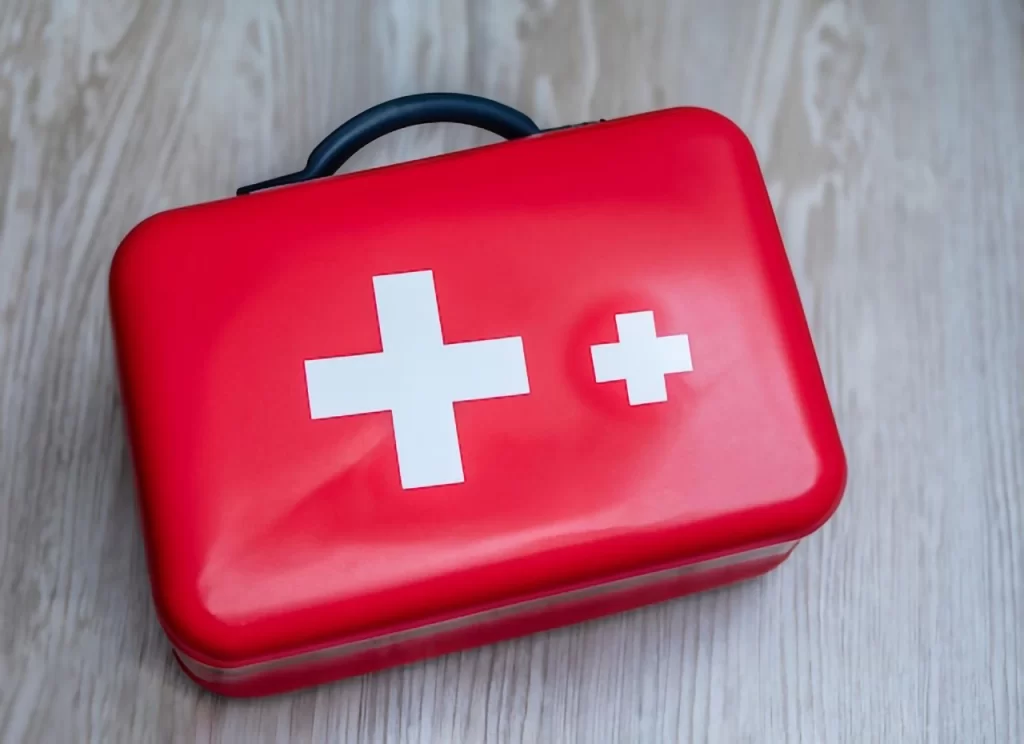
A well-equipped First Aid kit is a vital tool that can help save lives and reduce the severity of injuries during an emergency. Whether you’re at home, at work, or out in public, having a properly stocked First Aid kit ensures you’re prepared for unexpected situations. In this article, we’ll explore the essential items that should be included in a First Aid kit and why each of them is important.
1. Why is a First Aid Kit Important?
A First Aid kit is a collection of medical supplies designed to provide immediate care for injuries or medical emergencies. Having one on hand ensures that you can respond quickly to common injuries like cuts, burns, and sprains, preventing them from becoming more serious while you wait for professional medical help.
Additionally, many workplaces and public spaces require employees to be trained in First Aid and to have a First Aid kit readily available. Learn more about First Aid certifications and training on our HLTAID011 Provide First Aid page.
2. Essential Items in a First Aid Kit
A comprehensive First Aid kit includes various items for treating common injuries. Below is a list of essential supplies you should have in any well-stocked First Aid kit.
a. Adhesive Bandages (Plasters)
Adhesive bandages are one of the most common items in a First Aid kit. They are used to cover small cuts, blisters, or abrasions, preventing dirt and bacteria from entering the wound. Choose different sizes to accommodate various types of injuries.
For larger wound dressings, you can check out our How to Treat Severe Bleeding page.
b. Sterile Gauze Pads and Dressings
Gauze pads are essential for covering larger wounds. They help absorb blood, prevent infection, and provide a sterile environment for the injury. Ensure you have both small and large sizes to accommodate different injuries.
c. Adhesive Tape
Adhesive tape is necessary for securing bandages and gauze to the skin. It helps keep wound dressings in place and ensures that the injured area stays protected.
d. Antiseptic Wipes or Solution
Antiseptic wipes or solution are crucial for cleaning wounds to prevent infection. Before dressing a wound, it’s important to clean the area thoroughly with an antiseptic wipe or solution.
e. Antibiotic Ointment
Antibiotic ointment like Neosporin helps prevent infection in minor cuts, abrasions, or burns. It’s important to apply the ointment before bandaging the wound
3. Additional Medical Supplies for a First Aid Kit
While basic supplies like bandages and gauze are essential, there are additional items that may be required depending on the nature of the injury or emergency.
a. Instant Cold Packs
Cold packs are helpful for treating sprains, strains, and muscle injuries. Applying cold to the affected area reduces swelling and numbs pain, providing immediate relief.
For more on how to treat injuries like sprains, visit our Working Safely at Heights page, as falls are common in the workplace.
b. Elastic Bandage (e.g., for Sprains)
An elastic bandage, such as an Ace wrap, is useful for compressing sprains, strains, and swollen joints. It provides support and helps reduce swelling.
c. Scissors and Tweezers
A good pair of scissors and tweezers are necessary for cutting tape, gauze, or clothing, and removing splinters or other foreign objects from the skin.
d. Thermometer
A thermometer is important for checking someone’s temperature if you suspect they have a fever. High body temperature can indicate infections or other health conditions.
e. Pain Relievers (e.g., Paracetamol, Ibuprofen)
Pain relievers like paracetamol (acetaminophen) or ibuprofen can help manage pain and reduce inflammation. These are useful for headaches, muscle aches, or injuries.
f. Burn Cream or Gel
Burns are common injuries that require immediate attention. Burn creams or gels, such as those containing aloe vera, help soothe and heal burns by cooling the area and reducing pain.
4. Specialized Items for Specific Needs
Certain environments or people may require additional items in their First Aid kit to accommodate unique medical needs. Here are some specialized supplies you might want to include:
a. First Aid Manual
A First Aid manual is a valuable resource in case you need quick guidance on how to respond to medical emergencies. It should provide clear instructions on how to treat common injuries and illnesses.
b. Personal Medications
If someone in your household or workplace has specific medical conditions (e.g., allergies, asthma), it’s essential to keep any required medications (such as EpiPens or inhalers) in your First Aid kit.
For more on managing medical emergencies in the workplace, explore our Mental Health First Aid page for training specific to mental health crises.
c. Emergency Contact Information
Including emergency contact numbers in your First Aid kit ensures that you can quickly reach a healthcare provider, hospital, or emergency services when needed.
5. Where to Store Your First Aid Kit
The location of your First Aid kit is just as important as its contents. It should be easily accessible, well-organized, and visible in case of an emergency. In workplaces, ensure that employees know the location of the kit, and it’s stocked according to workplace safety regulations.
For businesses and organizations looking to train employees in First Aid, we offer off-site group bookings to help you meet workplace safety standards.
6. How to Maintain Your First Aid Kit
A First Aid kit is only useful if it’s stocked with the right items and is kept in good condition. Here’s how to maintain it:
- Check Expiry Dates: Ensure that medications, ointments, and other time-sensitive supplies are not expired.
- Restock Regularly: Replenish any items that have been used or are running low.
- Keep it Organized: Regularly organize the kit to make sure you can easily find what you need during an emergency.
7. Conclusion
A well-stocked First Aid kit is essential for handling medical emergencies, whether at home, work, or out in the field. By including all the basic and specialized supplies, you can ensure that you are prepared to handle injuries and illnesses effectively.
To further enhance your emergency preparedness, consider enrolling in a First Aid training course. Visit our HLTAID011 Provide First Aid course to get started and learn the life-saving skills you need.