HLTAID011 & UETDRMP018 COURSE

HLTAID011 Provide First Aid & UETDRMP018 Low Voltage Rescue Training Adelaide

Every second matters when responding to an emergency involving a live low-voltage electrical panel.

FACT Adelaide’s combined course includes HLTAID011 Provide First Aid and UETDRMP018 Perform rescue from a live low voltage panel. It prepares electricians and electrical workers to perform CPR, provide first aid and safely respond to a low-voltage electrical emergency.

Course Overview

Our combined Adelaide course includes HLTAID011 Provide First Aid and UETDRMP018 Perform rescue from a live low voltage panel. It equips electrical workers with the practical skills and knowledge to perform a low-voltage rescue, provide CPR and manage a range of first aid emergencies.

Official unit information: View the
HLTAID011 unit details and
UETDRMP018 unit details on Training.gov.au.


Download: UETDRMP018 + HLTAID011 — LVR + Provide First Aid (PDF)

Course Details

Detail Information
Location 34 South Tce, Adelaide SA 5000
Duration 5.5 hours
Start/Finish 8:30 am–2:00 pm, Monday to Friday
Arrival Window Arrive between 8:00 am and 8:30 am to finalise enrolment
Late Arrivals Students arriving after 8:30 am cannot attend that session
Course Cost $190
Certification Statements of Attainment are emailed following successful completion and finalisation of all enrolment requirements
RTO Training delivered and Statements of Attainment issued by AKBartlett (RTO 45473)

Why LVR and Provide First Aid Training Matters for Electrical Workers

Electrical incidents can cause cardiac arrest, burns, shock and other serious injuries. Safely removing a casualty from a live low-voltage panel is only the first step; the rescuer must also be ready to assess the casualty and provide immediate care.

This combined Low Voltage Rescue training Adelaide course prepares electrical workers to perform a panel rescue, provide CPR and respond to a broader range of first aid emergencies safely and without unnecessary delay.

Training requirements and refresher periods may vary depending on workplace procedures, electrical licensing requirements and the relevant state or territory regulator. Workers should confirm the requirements that apply to their role and workplace.

Who Needs Low-Voltage Rescue Training?

This combined First Aid and LVR course is designed for people who work on or near low-voltage electrical equipment, including:

  • Licensed electricians
  • Electrical apprentices
  • Facilities and maintenance personnel
  • Supervisors responsible for electrical work
  • Electrical workers in mining, manufacturing and utilities

Employers and worksites may require workers to complete regular LVR refresher training to maintain site access and meet workplace procedures. Students should confirm the training and refresher requirements that apply to their role.

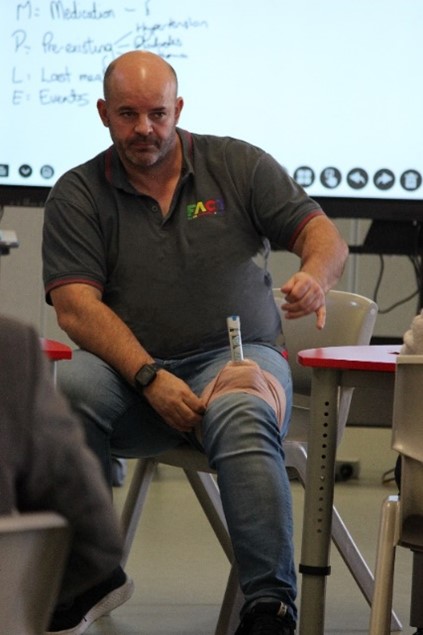
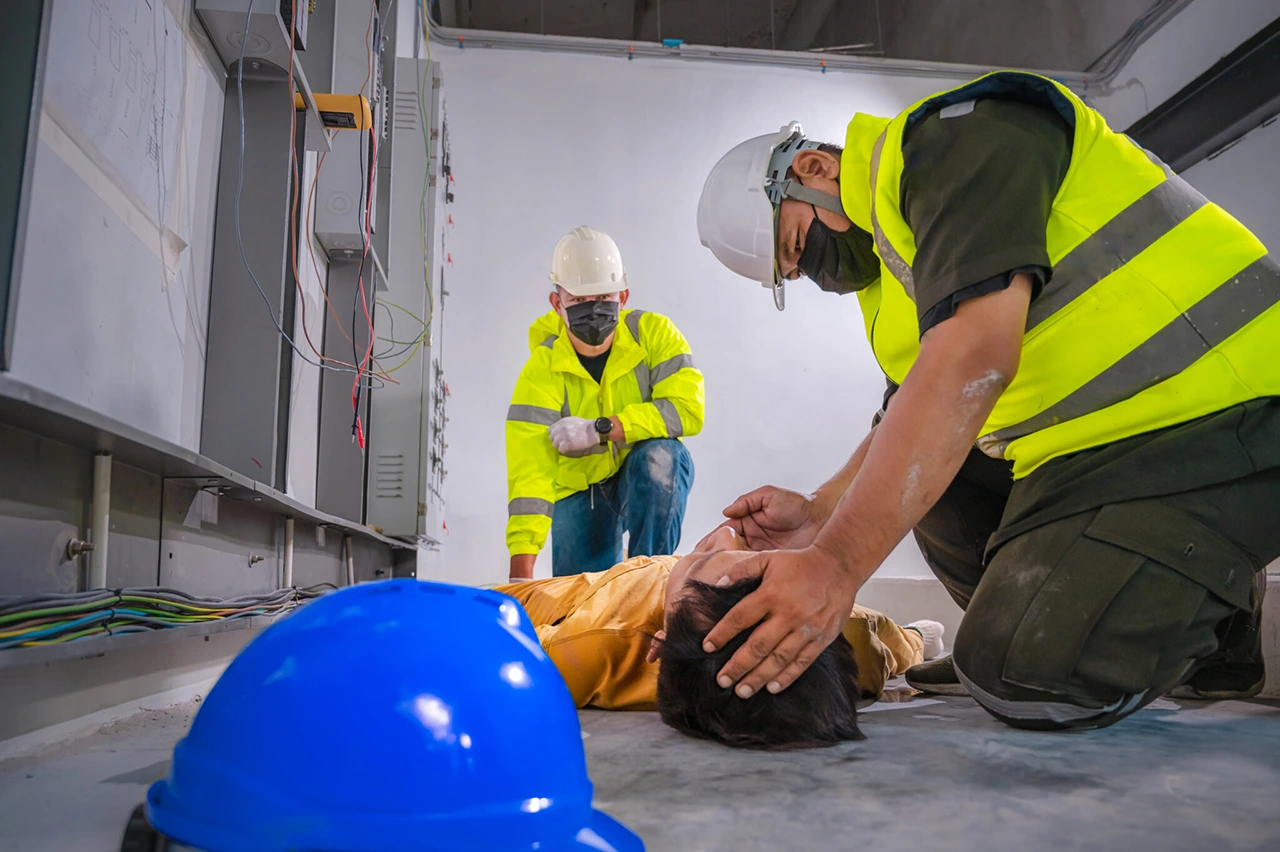
First aid instructor demonstrating casualty assessment during practical training in Adelaide

What You’ll Learn in Your First Aid & LVR Training

Identify live electrical hazards quickly, apply isolation procedures correctly, verify de-energisation before rescue, and use PPE that meets WHS standards.

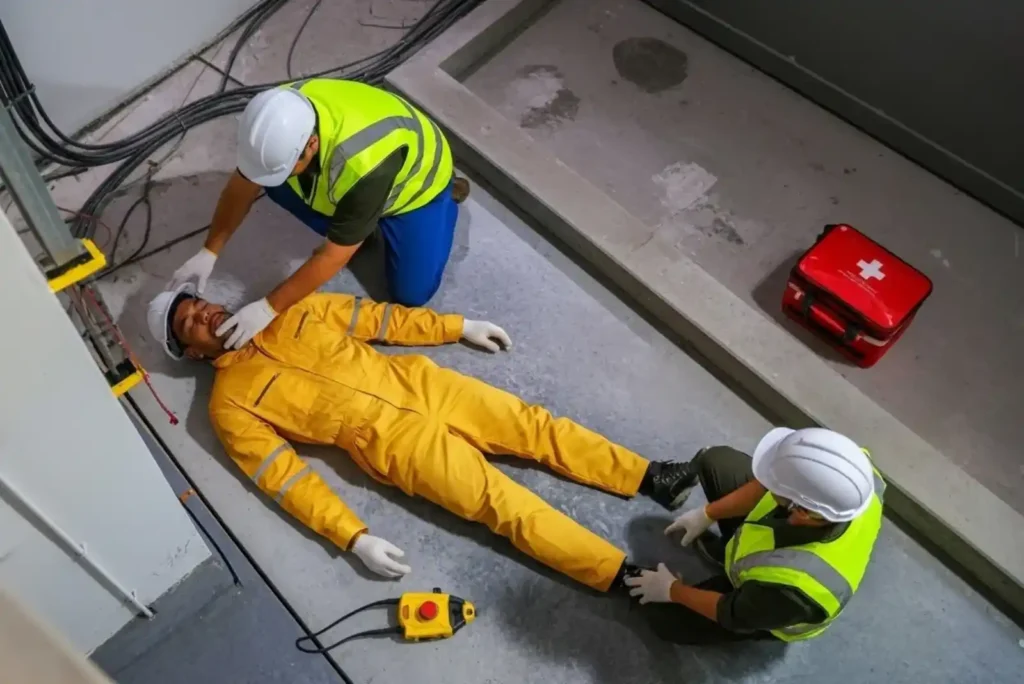
The first part of LVR CPR training teaches you how to locate and control isolation points, safely remove a casualty from a live LV panel using correct techniques, avoid becoming a second casualty through proper procedure, and use rescue equipment correctly (hooks, blankets, shields).

Begin CPR immediately if needed, manage burns, bleeding, and shock until paramedics arrive, communicate clearly with emergency services, and coordinate with your team for an effective response.

Move casualties without causing spinal injury, use correct grips and body mechanics, work systematically under pressure, and document incidents according to workplace procedures.
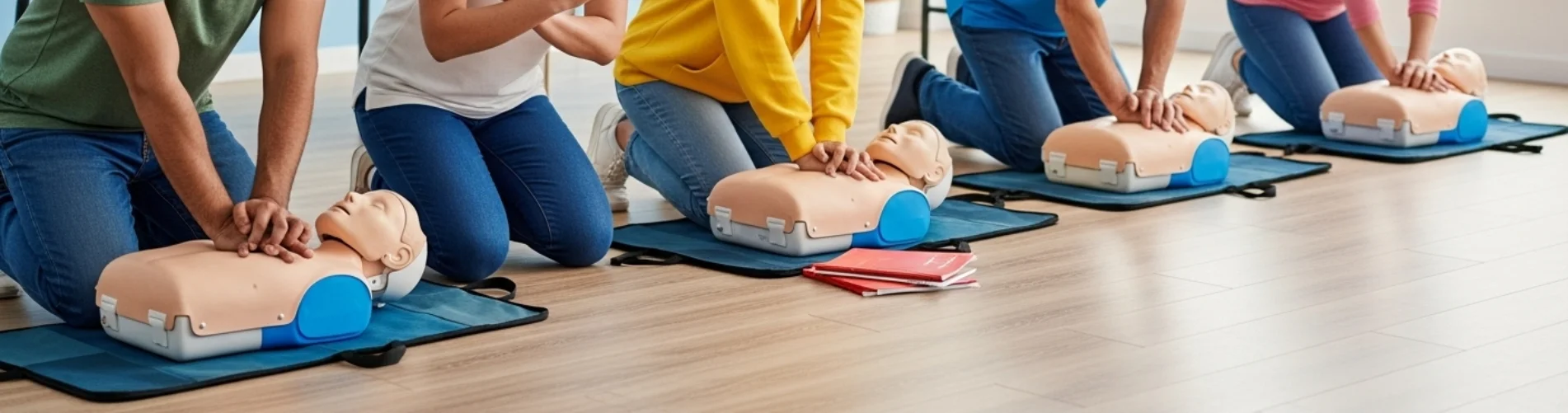
You’ll practise on realistic equipment during your LVR training with direct trainer feedback.

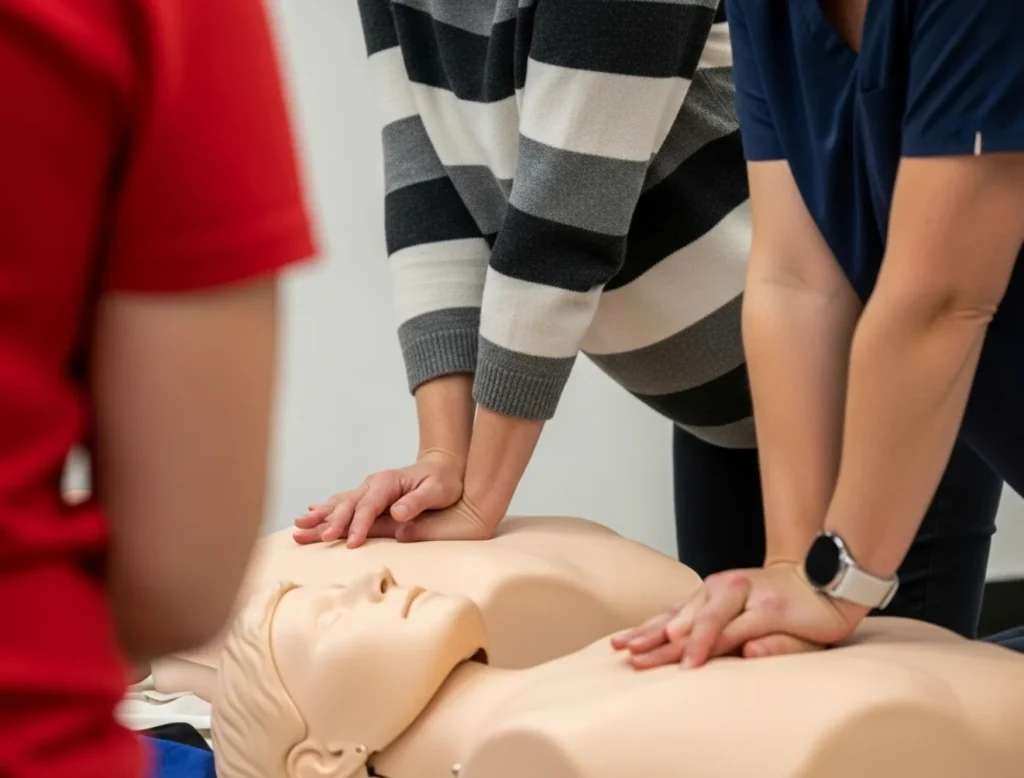
Learn to perform cardiopulmonary resuscitation (CPR), use an automated external defibrillator (AED), and manage airway obstructions in adults, children, and infants.

Understand how to control severe bleeding, apply pressure bandages, and manage different wound types including cuts, abrasions, and puncture wounds.

Recognise the signs and symptoms of shock and learn the correct first aid response to manage casualties experiencing different types of shock.

Respond to breathing difficulties including asthma attacks, hyperventilation, and choking in both conscious and unconscious casualties.

Identify the signs of allergic reactions and anaphylaxis, and learn to administer an adrenaline auto-injector (EpiPen) in emergency situations.

Manage musculoskeletal injuries including fractures, dislocations, sprains, and strains using immobilisation techniques and the RICE method.

Recognise and respond to potential head, neck, and spinal injuries, including when to suspect spinal damage and how to maintain spinal alignment.

Manage heat-related illness, hypothermia, burns, bites, stings, and poisoning in a first aid context.

5.5 Hours

Advanced

English

Yes

$190

Enroll Now

Have a Question?

(08) 7226 5936

Email Us

Why Pair CPR & Provide First Aid with LVR? 

In many incidents, the casualty is unresponsive or not breathing normally. That’s why employers often mandate CPR & Provide First Aid with LVR together. Our sessions highlight how LVR CPR training reduces time to treatment and improves outcomes. If you’re searching “CPR LVR course near me”, our CBD venue and after-work times make it simple to book and attend.

  • CPR LVR course: Aligns rescue from the panel with immediate life support
  • CPR and low voltage rescue: Builds a clean handover to first responders
  • CPR LVR: Meets many site and insurance requirements

To broaden your capability beyond LVR, consider adding [CPR] (for focused resuscitation practice) or [Basic Life Support] for a structured DRSABCD approach.

Why Pair CPR with LVR

Course Structure — Interactive, Practical, Memorable

We use multiple learning methods so skills stick:

  • Written assessments: Short, plain-English checks of key steps and safety.
  • Oral presentations: Quick discussions to clarify roles and comms under pressure.
  • Practical demonstrations: Hands-on rescue from an LV panel with your trainer’s feedback.
  • Discussion-based training: Team-based problem-solving that mirrors real shift work.

This mix ensures your LV rescue training is not just a tick-box exercise—it’s a job-ready performance.

Low Voltage Rescue Requirements (What to Bring & Do)

To meet low voltage rescue requirements, bring:

  • Evidence of ESI or Electro Technology qualification (or equivalent)
  • Valid photo ID
  • Enclosed footwear & suitable clothing for practical tasks
  • Any site-specific PPE, if requested by your employer

Please arrive between 3:30 pm and 3:45 pm to complete enrolment. For safety and fairness, late arrivals after 4:00 pm cannot join the class.

Skills You Practise (and Why They Matter)

  • Scene safety: Avoid becoming a second casualty.
  • Isolating power: Prove de-energisation and maintain control.
  • Rescue technique: Use correct grips, tools, and movements to clear the casualty.
  • Post-rescue care: Begin life support and coordinate emergency services.
  • Manual handling: Move the casualty with minimal risk to the spine, rescuers, and equipment.
  • Team communication: Assign roles quickly and relay key details.

Many participants pair LVR with [Provide First Aid] to better manage injuries (burns, bleeding, shock) once the casualty is safe. If you work around children’s services or schools with electrical equipment, consider [First Aid Child Care] for age-specific care.

Low-Voltage Rescue Training: Why Choose FACT Adelaide?

  • After-Work Timing: Our 4:00-6:00 pm sessions mean you don’t lose a full workday. Train after your shift and maintain site productivity.
  • Hands-On, Practical Focus: You’ll practise rescue techniques on actual equipment, use real PPE and rescue kits, work through realistic electrical emergency scenarios, and receive immediate feedback from experienced trainers.
  • Compliance-Focused: We map every session to UETDRMP018 requirements and your site’s specific procedures. Your Low-Voltage Rescue Training Statement of Attainment meets Australian standards and employer expectations.
  • Small Groups: We keep numbers low so everyone gets time to practice techniques, ask questions specific to their workplace, and build confidence in high-pressure situations.
  • Central Adelaide Location: Accessible venue, professional team, and equipped for practical training.
Get in touch

Build a Comprehensive Electrical Safety Skillset

Your LVR CPR training works best alongside other safety qualifications:

  • HLTAID011 First Aid Course: Comprehensive first aid for managing burns, bleeding, shock, and other injuries common in electrical incidents.
  • First Aid and CPR Course: Annual CPR refresher to keep resuscitation skills current, and comply with worksite requirements.
  • Provide Advanced First Aid: For supervisors or workers in remote locations where paramedic response times are longer.
  • Provide Advanced Resuscitation and Oxygen Therapy: When oxygen equipment is available on-site for serious cardiac or respiratory emergencies.
Booking Your Low Voltage Rescue Course at 34 South Tce

Important Requirements for LVR Training

Before You Book:

  • Confirm you hold ESI or Electro Technology qualification
  • Have evidence ready to present at enrolment
  • Complete prerequisite HLTAID009 (CPR) or provide current certificate
  • Arrive 3:30-3:45 pm – late arrivals after 4:00 pm cannot attend

What to Bring:

  • Evidence of electrical qualification
  • Valid photo ID (driver’s licence or passport)
  • Enclosed footwear and work-appropriate clothing
  • Current CPR certificate if already qualified
Ready to Book

Get Certified in Low-Voltage Rescue Training Today

Electrical emergencies happen fast. Your response needs to be faster. Don’t wait until someone’s life depends on skills you don’t have – get trained now with low-voltage rescue training.

Call (08) 7226 5936 to confirm your prerequisite qualifications and book your spot, or enrol online for our next after-work session. We’re a veteran-led SA RTO focused on practical, compliant training that prepares you for the moment that matters.

Contact Now
Abstract geometric design with a blue accent and dark background.

Course Enrollment

Join Us Today

LVR CPR Training FAQs

Your UETDRMP007 Statement of Attainment doesn’t have a fixed expiry date, but most employers require annual refreshers to maintain site access and compliance. The electrical industry is constantly evolving, with new equipment, updated procedures, and changing standards, meaning skills may need to be updated. Many sites mandate yearly LVR CPR training to ensure workers stay current and confident.

Yes. We deliver LVR training on-site for electrical teams, maintenance crews, and facilities groups across Adelaide and SA. Group sessions can be tailored to your specific equipment, site procedures, and workplace scenarios. We’ll use your actual isolation charts, match your PPE requirements, and reference your emergency response protocols. This makes the training more relevant and immediately applicable when your crew returns to work.

Pricing varies based on group size and location. Contact us for a quote when booking 5+ people.

We provide the essential rescue equipment and training PPE during your low-voltage rescue training session. However, if your employer has site-specific PPE requirements or you prefer to use your own gear, bring it along.

Wear enclosed safety footwear and work-appropriate clothing. If your site requires specific arc-rated clothing, gloves, or face shields, practice using them during training so the technique feels natural when you’re actually on the job. Rescue hooks, blankets, shields, and manikins are provided as part of the course.

LVR CPR training must be delivered face-to-face because competency requires physical demonstration. There must be evidence that you safely rescue someone from a live panel in real-life situations. Some theory components might be completed online before the practical session, but the rescue technique, equipment use, and CPR assessment must be done in person with a qualified trainer watching.

Yes. UETDRMP007 is a nationally recognised unit under the Australian Qualifications Framework. Your Statement of Attainment from FACT Adelaide is valid across Australia. Employers and regulators across all states accept it as evidence of competency for electrical rescue. Some worksites may have additional site-specific induction requirements or require recent refresher dates, but your core low-voltage rescue training qualification remains valid.

Courses we offer

Most Popular Courses

We provide comprehensive training for individuals and teams, helping you meet safety requirements and gain valuable skills. Our Adelaide courses include:

White Card (Construction Safety)

CPCWHS1001 Prepare to work safely in the construction industry

$89

Cert IV in Work Health and Safety

BSB41419 Cert IV in Work Health and Safety. Face to Face training

Blended $1495

Diploma In Work Health and Safety

BSB51319 Diploma of Work Health and Safety

$1295

First Aid Training

HLTAID011 Provide first aid Including CPR. Current with ARC Guidelines.
$97

Basic CPR

HLTAID009 Provide cardiopulmonary resuscitation. Current with ARC Guidelines.
$45

Basic Scaffolding

CPCCLSF2001 - Licence to erect, alter and dismantle scaffolding basic level.
$1750