Scaffolding Systems Compared: Tube & Fit, Layher, and Prefabricated – My Journey Through the Grit and the Glamour
Scaffolding isn’t just steel and bolts it’s the backbone of safe, efficient access in construction, events, and industrial maintenance. Over the years, I’ve worked with all major systems: Tube & Fit, Layher, and Prefabricated scaffolding. Each has its strengths, but one stands out for me: Layher. Here’s why.
Tube & Fit: The Classic Workhorse
Tube & Fit scaffolding is the traditional system steel tubes joined by clamps and couplers. It’s highly adaptable and ideal for irregular structures or complex geometries.
Pros:
- Maximum flexibility in design
- Great for custom builds and tight spaces
- Widely available and understood
Cons:
- Labour-intensive and time-consuming
- Requires skilled scaffolders for safe assembly
- More prone to human error
My experience: I spent long, hard days using Tube & Fit in the mines during the G3 Expansion Project in 2003 and 2004. It was rugged work dust, heat, and precision under pressure. Tube & Fit gave us the adaptability we needed, but it demanded grit and experience to get it right.
🧱 Prefabricated Scaffolding: Fast but Limited
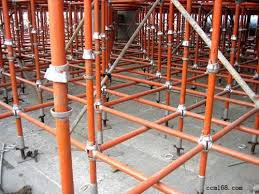
Prefabricated systems use modular frames and components that snap or lock together. They’re fast to erect and ideal for repetitive, low-complexity jobs.
Pros:
- Quick assembly and disassembly
- Lower skill threshold
- Cost-effective for simple tasks
Cons:
- Limited flexibility
- Not ideal for complex or irregular structures
- Can feel flimsy in demanding environments
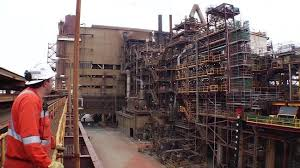
My experience: At Olympic Dam, I worked with all three systems. Prefab was useful for straightforward access jobs, but it lacked the robustness and adaptability we needed for more intricate setups.
🛠️ Layher Scaffolding: The Gold Standard
Layher is a modular ring system scaffold known for its precision engineering, speed, and versatility. It combines the flexibility of Tube & Fit with the efficiency of prefab.
Pros:
- Fast and safe assembly
- Highly adaptable with modular components
- Excellent load-bearing capacity
- Clean, professional finish
Cons:
- Higher upfront cost
- Requires training to maximize its potential
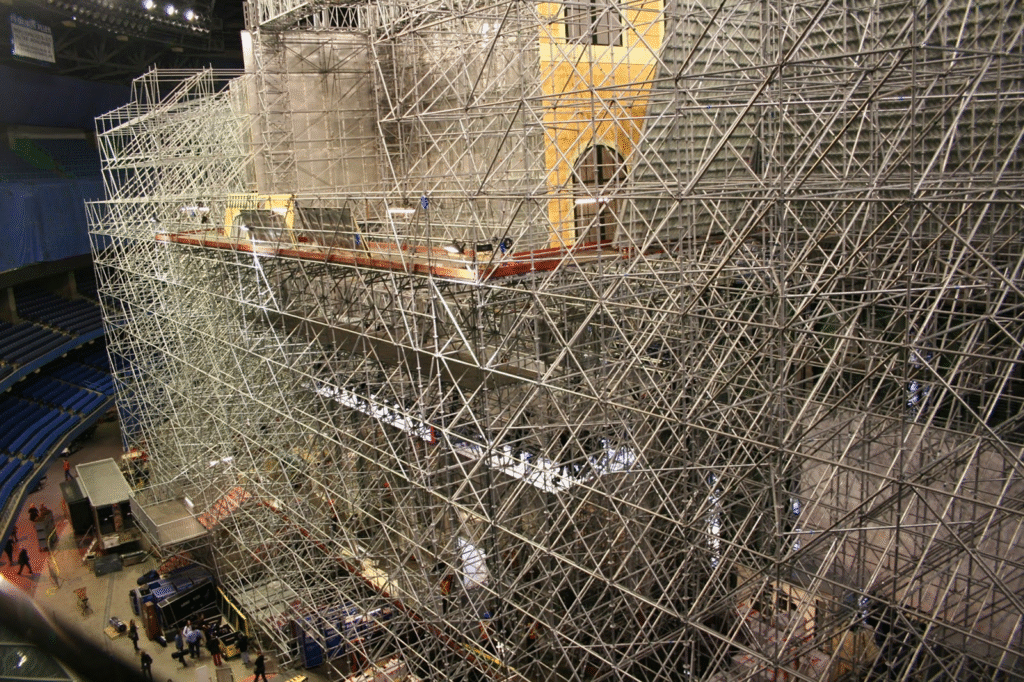
My experience: Layher truly shone during the Andre Rieu concert at the old Adelaide Oval Showground. We needed speed, safety, and aesthetics and Layher delivered. The system allowed us to build complex structures quickly, with minimal fuss and maximum stability. It was a standout moment where engineering met performance.
My Verdict: Layher Wins on Flexibility and Professionalism
Having worked across mining, industrial, and event sectors, I’ve seen what each system can do. Layher stands out—not just for its technical superiority, but for the way it empowers scaffolders to work smarter, faster, and safer.
Whether you’re building access towers in the dust of Olympic Dam or staging a concert in Adelaide, Layher gives you the edge. It’s more than a scaffold it’s a system that respects your time, your safety, and your standards.